
Author

admin

Browsing

The global transition to a green economy has been a boon for the cleantech market — it’s helping investment in renewable energy and clean technology continue to grow, allowing the sector to keep building momentum.

Though cleantech’s long-term outlook is stable, the industry is facing challenges in Western markets as US policy shifts have sparked climate finance concerns. With US leadership on climate finance appearing to recede, there’s an opportunity for the Canadian market to take a leading role.

In fact, Canada was the second-most represented country in the Global Cleantech 100.

Here’s a look at the best-performing Canadian cleantech stocks on the TSX and TSXV in 2025 by year-to-date gains. CSE-listed companies were considered, but none made the list at this time.

Data for this article was gathered on October 20, 2025, using TradingView’s stock screener. Only companies with market capitalizations greater than C$50 million were considered.

1. Anaergia (TSX:ANRG)

Year-to-date gain: 165.96 percent
Market cap: C$417.19 million
Share price: C$2.50

Anaergia is a global company that specializes in converting waste, including wastewater and agricultural and municipal solid waste, into renewable energy, clean water and organic fertilizer.

The company has operations in 17 countries spanning North America, Africa, Asia and Europe. In 2025, Anaergia has expanded its global reach through partnerships with companies in Italy and Spain, as well as through a partnership agreement to build a biogas facility in South Korea.

In July 2024, Anaergia closed the third tranche of a C$40.8 million investment deal with Marny Investissement that gave Marny a controlling interest of about 60 percent in Anaergia, supporting the company’s pivot to employ a greater focus on technology sales and operations and maintenance contracts.

The company’s September 2025 investor presentation highlighted its new strategy of streamlined operations, expanding through global partnerships and selective Build-Own-Operate delivery.

2. Tantalus Systems (TSX:GRID)

Year-to-date gain: 93.68 percent
Market cap: C$179.51 million
Share price: C$3.68

Tantalus Systems provides technology that gives utilities greater control and insight into their electric grids.

This includes advanced metering infrastructure (AMI), load management systems and grid analytics, all of which contribute to a more efficient and reliable power grid.

One of its key products, TRUConnect AMI, provides real-time data on energy consumption and grid conditions. The TRUFlex Load+DER Management system helps manage energy demand and integrate distributed energy resources like solar power, while TRUGrid Automation optimizes grid operations and improves response to events like power failures.

On July 7, Tantalus announced that it was extending its partnership with EPB in Chattanooga, Tennessee, to deploy 20,000 TRUSense Ethernet Gateways over the next five years, integrating with EPB’s fiber network to enhance grid modernization and operational efficiency.

The company’s annual recurring revenue has grown at an approximate compound annual growth rate of 18 percent since 2016, according to its October presentation.

3. CVW Sustainable Royalties (TSXV:CVW)

Year-to-date gain: 17.65 percent
Market cap: C$149.74 million
Share price: C$1.00

CVW Sustainable Royalties, previously CVW CleanTech, is a royalty company that invests in other cleantech enterprises in exchange for a share of their revenue.

The company rebranded and changed its TSX Venture exchange listing from a technology issuer to an investment issuer in July after transitioning to a royalty model in 2024.

It is still committed to commercializing its CVW technology, which recovers bitumen and valuable minerals like titanium and zircon from oil sands tailings ponds. This reduces the environmental impact of oil and gas production, making the Canadian oil sands industry more sustainable.

CVW is planning to deploy its technology through a model of non-operating interests or royalty streams.

Its first royalty investment was in Northstar Clean Technologies (TSXV:ROOF,OTCQB:ROOOF), a company with technology that processes end-of-life asphalt shingles into components, including liquid asphalt, as well as aggregate and fiber for industrial use. The deal was finalized in September 2024.

In July, Northstar completed commissioning and produced its first liquid asphalt at its plant in Alberta, Canada.

Securities Disclosure: I, Meagen Seatter, hold no direct investment interest in any company mentioned in this article.

This post appeared first on investingnews.com

TSX-V: WLR

Frankfurt: 6YL

 Walker Lane Resources Ltd. (TSXV: WLR,OTC:CMCXF) (Frankfurt: 6YL); ‘Walker Lane’) is pleased to announce that Precision Geosurveys Inc. has been contracted to complete an airborne total magnetic field and radiometric survey on its Tule canyon Project located in the prolific Walker Lane Gold Trend.

Precision Geosurveys Inc. of Reno, NV and Langley, BC will commence the airborne survey in the next few days following completion of ongoing surveys by Precision in the Tonopah area of west central Nevada. A total of 212 line-kilometers will be flown along lines spaced 100 meters apart, 30 meters above ground level. The results are anticipated to be useful in mapping the complex altered volcanic stratigraphy present on the property and to contribute information that will further pinpoint proposed drill targets on the property.

Mr. Kevin Brewer, P.Geo President and CEO of Walker Lane Resources Ltd. noted that ‘We are very excited to be commencing exploration at the Tule Canyon project. We thank Silver Range Resources for helping to coordinate this work. Their efforts are testimony to our shared belief that Tule Canyon holds significant promise. We look forward to soon being able to confirm a drilling program for this project in the near future.’

About the Tule Canyon Property

The Tule Canyon Property sits astride a prominent deflection in the regional magnetic field associated with the underlying Sylvania Pluton. High grade gold and silver mineralization in the district is localized along this feature. The principal objectives of the survey will be to accurately map this deflection and to locate second order anomalies which may be associated with structurally controlled precious metal mineralization.

The Tule Canyon Property is 95 km south of Tonopah and 80 km northwest of Beatty near the NevadaCalifornia border. Mineralization on the property occurs along a 5-kilometre-long trend coincident with a major structural inflection in the Sylvania Pluton mapped by regional aeromagnetic surveys. Gold and silver mineralization is hosted in numerous quartz veins with mesothermal textures. Precious metals are associated with hematite, pyrite, yellow plumbo-jarosite or similar lead oxides, rare galena and copper oxides. The western end of the trend covering the Ingall’s Vein and the China Doll zones are silver-dominant with mineralization returning up to 4,320 g/t Ag and up to 31.8 g/t Au. The eastern end of the trend is gold-dominant with assays up to 37.3 g/t Au at surface and 27.6 g/t Au underground. Silver assays from material collected in this eastern area range up to 183 g/t Ag.

Mining in Tule Canyon dates from prior to 1848 when Mexican placer miners first began work in the area. Hard rock mining on the property dates from the 1890’s at the Dark Secret Mine. Mining at the nearby Eastside Mine and the Ingalls Vein occurred during the late 1900’s with a small heap leach operation constructed at the latter property.

A small open pit mining operated at the Dark Secret Mine during the 1980’s and reportedly shipped material to Goldfield for processing. In the pit, coalescing veins appear to form a bulk tonnage target. A chip-trench sample across the bottom of the pit returned 40 m @ 0.469 g/t Au including 20 m @ 0.695 g/t Au. Grab samples of vein material in the pit returned up to 14.1 g/t Au. Despite the past history of mining and high-grade surface mineralization on the property, there is little evidence of modern exploration activity and no known drilling.

A video presentation describing results to date at Tule Canyon is available on Silver Range’s website at www.silverrangeresources.com and further information is also available on the Company website at www.walkerlaneresources.com.

Note: Technical information in this news release has been approved by Kevin Brewer, P.Geo who relied on information provided to him by Silver Range Resources Ltd. and information in the public domain. Historical information cited in this news release was obtained from Nevada Bureau of Mines and Geology district files and from historical publications. Investors should be cautioned that this information has not been independently verified by the Company.

About Walker Lane Resources Ltd.

Walker Lane Resources Ltd. is a growth-stage exploration company focused on the exploration of high-grade gold, silver and polymetallic deposits in the Walker Lane Gold Trend District in Nevada and the Rancheria Silver District in Yukon/B.C. and other property assets in Yukon. The Company intends to initiate an aggressive exploration program to advance the Tule Canyon (Walker Lane, Nevada) and Amy (Rancheria Silver District, B.C.) projects through drilling programs with the aim of achieving resource definition in the near future.

On behalf of the Board:
‘Kevin Brewer’
Kevin Brewer, President, CEO and Director
Walker Lane Resources Ltd.

Cautionary and Forward Looking Statements

This press release and related figures, contain certain forward-looking information and forward-looking statements as defined in applicable securities laws (collectively referred to as forward-looking statements). These statements relate to future events or our future performance. All statements other than statements of historical fact are forward-looking statements. The use of any of the words ‘anticipate’, ‘plans’, ‘continue’, ‘estimate’, ‘expect’, ‘may’, ‘will’, ‘project’, ‘predict’, ‘potential’, ‘should’, ‘believe’ ‘targeted’, ‘can’, ‘anticipates’, ‘intends’, ‘likely’, ‘should’, ‘could’ or grammatical variations thereof and similar expressions is intended to identify forward-looking statements. These statements involve known and unknown risks, uncertainties and other factors that may cause actual results or events to differ materially from those anticipated in such forward-looking statements. These statements speak only as of the date of this presentation. These forward-looking statements include, but are not limited to, statements concerning: our strategy and priorities including certain statements included in this presentation are forward-looking statements within the meaning of Canadian securities laws, including statements regarding the Tule Canyon, Cambridge, Silver Mountain, and Shamrock Properties in Nevada (USA), and its properties including Silverknife and Amy properties in British Columbia, the Silver Hart, Blue Heaven and Logjam properties in Yukon all of which now comprise the mineral property assets of WLR. WLR has assumed other assets of CMC Metals Ltd. including common share holdings of North Bay Resources Inc. (OTC-US: NBRI) and all conditions and agreements pertaining to the sale of the Bishop mill gold processing facility and remain subject to the condition of the option of the Silverknife property with Coeur Mining Inc. (TSX:CDE). These forward-looking statements reflect the Company’s current beliefs and are based on information currently available to the Company and assumptions the Company believes are reasonable. The Company has made various assumptions, including, among others, that: the historical information related to the Company’s properties is reliable; the Company’s operations are not disrupted or delayed by unusual geological or technical problems; the Company has the ability to explore the Company’s properties; the Company will be able to raise any necessary additional capital on reasonable terms to execute its business plan; the Company’s current corporate activities will proceed as expected; general business and economic conditions will not change in a material adverse manner; and budgeted costs and expenditures are and will continue to be accurate.

Actual results and developments may differ materially from results and developments discussed in the forward-looking statements as they are subject to a number of significant risks and uncertainties, including: public health threats; fluctuations in metals prices, price of consumed commodities and currency markets; future profitability of mining operations; access to personnel; results of exploration and development activities, accuracy of technical information; risks related to ownership of properties; risks related to mining operations; risks related to mineral resource figures being estimates based on interpretations and assumptions which may result in less mineral production under actual conditions than is currently anticipated; the interpretation of drilling results and other geological data; receipt, maintenance and security of permits and mineral property titles; environmental and other regulatory risks; changes in operating expenses; changes in general market and industry conditions; changes in legal or regulatory requirements; other risk factors set out in this presentation; and other risk factors set out in the Company’s public disclosure documents. Although the Company has attempted to identify significant risks and uncertainties that could cause actual results to differ materially, there may be other risks that cause results not to be as anticipated, estimated or intended. Certain of these risks and uncertainties are beyond the Company’s control. Consequently, all of the forward-looking statements are qualified by these cautionary statements, and there can be no assurances that the actual results or developments will be realized or, even if substantially realized, that they will have the expected consequences or benefits to, or effect on, the Company.

The information contained in this presentation is derived from management of the Company and otherwise from publicly available information and does not purport to contain all of the information that an investor may desire to have in evaluating the Company. The information has not been independently verified, may prove to be imprecise, and is subject to material updating, revision and further amendment. While management is not aware of any misstatements regarding any industry data presented herein, no representation or warranty, express or implied, is made or given by or on behalf of the Company as to the accuracy, completeness or fairness of the information or opinions contained in this presentation and no responsibility or liability is accepted by any person for such information or opinions. The forward-looking statements and information in this presentation speak only as of the date of this presentation and the Company assumes no obligation to update or revise such information to reflect new events or circumstances, except as may be required by applicable law. Although the Company believes that the expectations reflected in the forward-looking statements and information are reasonable, there can be no assurance that such expectations will prove to be correct. Because of the risks, uncertainties and assumptions contained herein, prospective investors should not read forward-looking information as guarantees of future performance or results and should not place undue reliance on forward-looking information. Nothing in this presentation is, or should be relied upon as, a promise or representation as to the future. To the extent any forward-looking statement in this presentation constitutes ‘future-oriented financial information’ or ‘financial outlooks’ within the meaning of applicable Canadian securities laws, such information is being provided to demonstrate the anticipated market penetration and the reader is cautioned that this information may not be appropriate for any other purpose and the reader should not place undue reliance on such future-oriented financial information and financial outlooks. Future-oriented financial information and financial outlooks, as with forward-looking statements generally, are, without limitation, based on the assumptions and subject to the risks set out above. The Company’s actual financial position and results of operations may differ materially from management’s current expectations and, as a result, the Company’s revenue and expenses. The Company’s financial projections were not prepared with a view toward compliance with published guidelines of International Financial Reporting Standards and have not been examined, reviewed or compiled by the Company’s accountants or auditors. The Company’s financial projections represent management’s estimates as of the dates indicated thereon.

SOURCE Walker Lane Resources Ltd

View original content to download multimedia: http://www.newswire.ca/en/releases/archive/October2025/27/c4329.html

News Provided by Canada Newswire via QuoteMedia

This post appeared first on investingnews.com

History is being rewritten on the White House grounds, where a new formal ballroom is rising in place of the East Wing. The project has become a political lightning rod, as images of its construction reignite debate over President Donald Trump’s imprint on the nation’s most iconic address.

While the White House has hosted countless ceremonial events, it has never had a dedicated ballroom. The new structure will fill that void, replacing the historic East Wing with a space designed instead to host large-scale gatherings.

The ballroom is estimated to cost $250 million and will be financed jointly by Trump and private donors.

While the White House has pledged to release details on the individuals and corporations funding the ballroom’s construction, a comprehensive breakdown of contributions has not yet been made public.

During a July 31 briefing, White House press secretary Karoline Leavitt detailed the administration’s plans to construct a 90,000-square-foot ballroom on the White House grounds.

Leavitt said the new ballroom will accommodate approximately 650 seated guests and will stay true to the classical design of the White House.

‘The White House is currently unable to host major functions honoring world leaders in other countries without having to install a large and unsightly tent approximately 100 yards away from the main building’s entrance,’ Leavitt said on July 31.

She added that the new ballroom will be ‘a much-needed and exquisite addition.’

This post appeared first on FOX NEWS

Argentine President Javier Milei secured a decisive victory Sunday in midterm elections, expanding his control of Congress and giving his government fresh momentum to push forward with deep spending cuts and sweeping free-market reforms.

The result gives Milei’s libertarian movement a boost and marks another sharp turn for one of Latin America’s largest and most volatile economies.

Milei’s party, La Libertad Avanza, won about 41.5% of the vote in Buenos Aires province, a historic upset in a region long dominated by the Peronist opposition. The rival coalition took 40.8%, according to figures cited by Reuters and The Associated Press.

Nationwide, La Libertad Avanza increased its seats in the lower house from 37 to 64, positioning Milei to more easily defend his vetoes and executive decrees that have defined his economic agenda.

‘The result is better than even the most optimistic Milei supporters were hoping for,’ Marcelo Garcia, Americas director at the risk-analysis firm Horizon Engage, said in comments reported by Reuters. ‘With this result, Milei will be able to easily defend his decrees and vetoes in Congress.’

Political consultant Gustavo Cordoba told Reuters the outcome reflected a cautious optimism among voters who appear willing to give Milei’s economic policies more time.

‘Many people were willing to give the government another chance,’ Cordoba said. ‘The triumph is unobjectionable, unquestionable.’

Reuters reported that inflation has fallen from 12.8% before Milei’s inauguration to 2.1% last month. His government has also posted a fiscal surplus and pushed through broad deregulation measures — a dramatic reversal after years of economic turbulence.

According to The Associated Press, the U.S. government under President Donald Trump offered Argentina a $40 billion aid package, including a $20 billion currency swap and a proposed $20 billion debt-investment facility, after tying future U.S. support to Milei’s performance in the midterms.

Investors reacted positively to the results. Reuters reported that Argentine bonds and stocks are expected to rally as Milei’s stronger hand in Congress gives him the political capital to accelerate his reforms

Milei called the election ‘a turning point for Argentina,’ according to AFP via the Times of Israel.

This post appeared first on FOX NEWS

In a political environment where little is agreed upon, there stands one exception: China. That country is cited by nearly every national security expert as the No. 1 geopolitical threat to the U.S. The question is how to coexist without being codependent, how to compete without conflict, and how to protect American producers and consumers while China plays by its arbitrary rules.

No sooner had a meeting between President Donald Trump and Chinese President Xi Jinping been announced before China threatened U.S. access to rare earth minerals. The U.S. countered by threatening an additional 100% tariff on Chinese imports.

Most Americans could not conjure why China would make such a provocative move after both presidents agreed to meet. Surely, the Chinese government must know Trump would react. Xi has been the leader of China for well over a decade with no sign of relenting.

Conversely, Trump is nearly a year into his final term in office. China has always played the long game, assuming Americans lack the will to wait out a prolonged contest. China thinks patience will win — that Americans can’t sustain pressure. It may wind up being surprised that patience is an overrated virtue and how quickly this administration can act.

The Trump administration has already resolved conflicts around the globe, as evidenced by its history-defying peace agreement in the Middle East. The administration has used tariffs and the threat thereof to increase revenue for the U.S., balance the trade playing field and reposition the U.S. for increased domestic manufacturing.

It has been clear about the threats posed by Venezuela, repositioned our relationship with Colombia, opened dialogue between Israel and moderate Arab states, bombed Iranian nuclear ambitions and closed a porous border. All of that in less than a year.

The conflict left to be resolved is in Eastern Europe, and the ‘white whale’ among outstanding trade agreements is China. The two are interconnected. While the U.S. was trying to isolate Russia for its aggression against Ukraine, China was providing both military and economic assistance to Russia.

Next on the administration’s agenda is ending the Russian invasion of Ukraine and negotiating a trade agreement with China that can withstand the reality that the problematic forces within today’s Chinese Communist Party aren’t going anywhere.

Even if Xi steps down or his power wanes, there is no Chinese equivalent to America’s 22nd Amendment — no constitutional limit to the number of terms or years a leader can serve. That means Beijing’s leadership can remain in power indefinitely, which is a central pillar of the Communist Party’s strategy. The United States must live with that reality and yet negotiate from a position of strength to achieve our interests.

While recent reports suggest Xi’s grip may be weakening amid internal purges and speculation about dissent within the Chinese Communist Party, history teaches such reports are often exaggerated. And even if Xi were to fall, his successor would continue the long-term authoritarian policies that define modern China.

China perceives time and our democratic system as allies in its strategy. The key is to make Beijing recognize Trump’s impatience with that country’s malingering and duplicity is not a weakness but rather a threat to their own interests.

The administration’s China pressure strategy isn’t confined to tariffs. It extends to the technological front, where the next great battles for global power will be fought.

The Trump administration has already resolved conflicts around the globe, as evidenced by its history-defying peace agreement in the Middle East. 

Recognizing that China’s dominance in communications and artificial intelligence poses an existential threat to U.S. security, the Trump administration has moved to aggressively end Beijing’s control of critical infrastructure.

For example, the Department of Justice has taken decisive steps to counter the dominance of Huawei, a company controlled by the Chinese Communist Party, over global telecommunications. Huawei still controls the global telecom market (and, by extension, the AI and 5G future) and has repeatedly been found by the Department of Defense and our security agencies to include backdoors and security vulnerabilities.

To level this playing field, the Trump administration — working together with U.S. intelligence officials — approved the HPE-Juniper merger, giving America a credible competitor and a real chance to out-innovate China while securing critical communications infrastructure.

There were opponents to this merger — both the usual suspects and a few new ones. Democrat attorneys general, led by Colorado Attorney General Phil Weiser — are crying foul but doing so without access to any of the information necessary to make an informed decision. Too often, visceral disdain for the president has supplanted a reasoned consideration of national security realities.

When the president perceived national security threats in the computer chip realm, he took the unprecedented step of teaming with Intel. Unconventional? Yes. But these are not traditional times, and the next conflicts will not be waged in conventional terms.

While progress has been made both practically and in principle with China, more remains to be done, which is why the president and his economic, trade and national security teams are willing to meet with China. Next may come tightening export controls on other sensitive technologies and strengthening military partnerships in the Indo-Pacific to deter Chinese ambitions.

Beijing has watched Trump re-invigorate NATO, end several wars, impose tariffs and meet intended pain with imposed pain. Beijing has seen patience when warranted, power when called for, and an overarching preference for peace.

While recent reports suggest Xi’s grip may be weakening amid internal purges and speculation about dissent within the Chinese Communist Party, history teaches such reports are often exaggerated. 

Do not mistake diplomacy for weakness or discussion for a lack of resolve. Trump can make peace, level the playing field, stop intellectual property theft, punish currency manipulation and allow for healthy, fair competition, even among perceived opponents.

The fact that someone seeks peace does not mean he isn’t preparing for a world without it. China would be wise to know that while democracy limits a person’s time in office, it does nothing to deter the speed with which actions can be taken to preserve that democracy.

This post appeared first on FOX NEWS

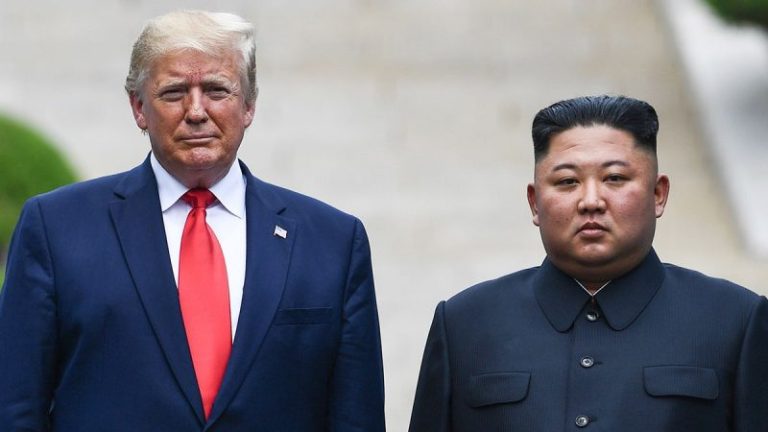
President Donald Trump said he’d be willing to extend his trip abroad to Asia if North Korea’s Kim Jong Un wants to meet with him.

‘But I’d love to meet with him if he’d like to meet. I got along great with Kim Jong Un. I liked him, he liked me,’ Trump said during a gaggle on Air Force One.

When asked if he’d extend his trip in order to meet with the North Korean figure, Trump indicated that he would be willing to do so.

The president had previously noted during a prior gaggle aboard Air Force One that he would be open to meeting with Kim Jong Un.

‘I got along very well with him,’ he said of the foreign leader.

North Korea is one of the few nations around the globe armed with nuclear weapons.

During his first term, Trump met with Kim Jong Un several times.

He even made history as the first sitting U.S. president to step into North Korea.

This post appeared first on FOX NEWS

President Donald Trump shot down speculation that he would run as a vice presidential candidate in 2028, telling reporters aboard Air Force One that Republicans already have ‘great’ prospective candidates.

Trump made the statement during a gaggle with reporters on Sunday, brushing off questions about whether he would fully pursue such an option. Trump pointed to Vice President JD Vance and Secretary of State Marco Rubio as two potential successors, while denigrating potential Democratic candidates as ‘low IQ.’

‘We have great people. I don’t have to get into that, but we have one of them standing right here. We have JD, obviously. The Vice President is great. Marco is great, I think. I’m not sure if anybody would run against those. I think if they ever formed a group, it would be unstoppable,’ Trump said.

‘They have Jasmine Crockett, a low IQ person. They have AOC’s low IQ. If you give her an IQ test, have her pass, like, the exams that I decided to take when I was at Walter Reed. I took those very hard, they’re really aptitude tests, I guess, in a certain way, but they’re cognitive tests. Let AOC go against Trump. Let Jasmine go against him,’ he continued.

‘The first couple of questions are easy. A tiger, an elephant, a giraffe, you know. When you get up to about five or six, and then when you get up to 10 and 20 and 25, they couldn’t come close to answering any of those questions,’ he asserted.

Asked about whether he would run as vice president in 2028, Trump noted that he would be ‘allowed to do that,’ but he called the plan ‘too cute.’

‘Is it the White House, or the White House counsel’s, or your legal position, I guess, that you could do that?’ a reporter pressed.

‘You’d be allowed to do that, but I wouldn’t do that. I think it’s too cute,’ Trump responded.

Trump’s comments come as he flies across Asia meeting with world leaders in a five-day tour this week. The president landed in Japan early Tuesday morning, and he is expected to meet with newly-elected Prime Minister Sanae Takaichi in Tokyo. Takaichi is Japan’s first female prime minister.

Trump also confirmed on Sunday that he would be open to meeting with North Korean dictator Kim Jong Un during his visit to South Korea.

This post appeared first on FOX NEWS

Here’s a quick recap of the crypto landscape for Friday (October 24) as of 5:00 p.m. UTC.

Get the latest insights on Bitcoin, Ether and altcoins, along with a round-up of key cryptocurrency market news.

Bitcoin and Ether price update

Bitcoin (BTC) was priced at US$110,645, a 0.3 percent increase in 24 hours. Its lowest valuation of the day was US$109,873, and its highest was US$111,266.

Bitcoin price performance, October 24, 2025.

Chart via TradingView.

Bitcoin’s medium-sized investors are continuing to buy even after the US$19 billion liquidation event earlier this month, preserving the market’s long-term bullish structure, according to CryptoQuant.

Entities holding between 100 and 1,000 BTC have added roughly 907,000 BTC over the past year, which analysts say represents a strong accumulation trend that historically aligns with upward price momentum.

Recent price action reflects this institutional backing, with Bitcoin reclaiming levels above US$110,000 amid softer inflation data and improved market sentiment. However, CryptoQuant warned that short-term demand is softening as the cohort’s 30-day balance has fallen below its moving average, suggesting potential near-term caution until a catalyst, such as renewed exchange-traded fund (ETF) inflows, emerges.

Ether (ETH) was priced at US$3,928.56, a 1.8 percent increase in 24 hours. Its lowest valuation of the day was US$3,872.67, and its highest was US$3,968.61.

Altcoin price update

  • Solana (SOL) was priced at US$193.09, at its highest valuation of the day, up by 0.9 percent over the last 24 hours. Its lowest valuation of the day was US$189.23.
  • XRP was trading for US$2.51, an increase of 4.2 percent over the last 24 hours and its highest valuation of the day. Its lowest was US$2.46.

Crypto derivatives and market indicators

The cryptocurrency market has experienced some fluctuations with a mixed but generally cautious outlook. The crypto derivatives market has shown some signs of recovery and increased activity after the earlier October volatility.

Liquidations for contracts tracking Bitcoin have totaled approximately US$5.89 million in the last four hours, the majority of which have been short positions, indicating a possible short squeeze or short-covering rally.

This aligns with Bitcoin’s price rebound and trader repositioning after recent dips.

Ether liquidations showed a different pattern; its US$7.01 million liquidations were fairly evenly split between long and short positions, suggesting balanced market dynamics and some ongoing indecision or consolidation.

Futures open interest for Bitcoin was up by 0.4 percent to US$71.27 billion over four hours, indicating growing trader interest and increasing liquidity, with a slight decrease in the final hour of trading. Ether futures open interest moved by +0.86 percent to US$45.94 billion, also showing a modest pullback as markets closed.

The funding rate remains positive, with both Bitcoin and Ether showing it at 0.005, a sign of modest bullish sentiment but not extreme leverage. Bitcoin’s relative strength index stood at 55.4, in a neutral to slightly bullish momentum phase, further supporting a stable recovery rather than a parabolic move.

Fear and Greed Index snapshot

CMC’s Crypto Fear & Greed Index has slightly trended upwards into 32, but remains in fear territory, an improvement from this week’s lowest score (25).

CMC Crypto Fear and Greed Index, Bitcoin price and Bitcoin volume.

Chart via CoinMarketCap

Today’s crypto news to know

Trump pardons Binance founder

US President Donald Trump has granted a full pardon to Binance founder Changpeng Zhao, wiping away his 2024 conviction for violating US anti-money laundering laws. Zhao, better known as “CZ,” served four months in prison and had been barred from running financial ventures under the plea deal.

The move follows months of lobbying by Binance, which paid a record US$4.3 billion fine as part of its own settlement with federal prosecutors. White House Press Secretary Karoline Leavitt called the case “a politically motivated overreach by the Biden administration,” insisting the pardon was meant to correct an injustice.

Critics argue the decision reflects Trump’s growing financial ties to the crypto industry, citing his personal investments and recent push for a “national cryptocurrency reserve.” Zhao thanked Trump on social media, saying he is “deeply grateful” for the decision and eager to “continue supporting innovation responsibly.”

Bitfarms surges on Jane Street investment

Crypto miner Bitfarms (TSX:BITF) saw its shares surge on Friday after trading firm Jane Street said it has acquired a 5.4 percent ownership stake in the company, as well as a 5 percent stake in Cipher Mining (NASDAQ:CIFR).

This move from a major institutional market maker, known for its strategic investments in the digital asset space, highlights the growing institutional involvement in cryptocurrency mining businesses and their expanding role within the tech sector’s market rally.

Polymarket confirms POLY token launch

Prediction platform Polymarket has confirmed plans to launch its long-awaited POLY token following a US$2 billion investment from Intercontinental Exchange (ICE), the parent company of the New York Stock Exchange.

Speaking on the Degenz Live podcast, Chief Marketing Officer Matthew Modabber said both the token and airdrop are “officially in motion,” confirming rumors that have swirled for months.

Modabber emphasized that the launch will prioritize real utility and “long-term viability,” aligning with Polymarket’s push to relaunch its US app after receiving fresh regulatory clearance.

Sygnum Bank, Debifi partner for multiSYG Bitcoin lending product

Sygnum Bank has partnered with Debifi, a Bitcoin-backed lending platform, to introduce MultiSYG, a new multisignature Bitcoin lending product slated for launch in the first half of 2026.

MultiSYG allows clients to borrow fiat currencies against their Bitcoin holdings. These Bitcoin assets are held in a 3-of-5 multisig escrow wallet, with keys distributed to the borrower, Sygnum and independent signers. This structure ensures borrowers maintain partial control and on-chain cryptographic proof of their collateral for the loan term.

The product is designed to enhance transparency and security in lending by preventing rehypothecation and eliminating the need for blind trust in custodians, which are common issues in traditional lending practices. MultiSYG is specifically tailored for institutional and high-net-worth clients seeking bank-grade terms and flexible loan services.

JPMorgan to let institutions borrow against Bitcoin, Ether holdings

JPMorgan Chase (NYSE:JPM) is preparing to let its institutional clients borrow cash using Bitcoin and Ether as collateral. Set to launch by the end of 2025, the initiative will allow the firm’s clients to pledge cryptocurrencies directly rather than through ETFs, using a third-party custodian to safeguard tokens.

The pilot follows successful internal testing involving BlackRock’s iShares Bitcoin Trust ETF (NASDAQ:IBIT) earlier this year. JPMorgan already accepts crypto-linked ETFs as loan collateral.

Crypto.com applies for national trust bank charter

Crypto.com has applied to the US Office of the Comptroller of the Currency for a National Trust Bank Charter.

This federal charter would enable Crypto.com to provide regulated crypto financial services across the US, including custody and staking. The company plans to focus on institutional clients, offering solutions such as digital asset treasuries, ETFs and corporate custody. This move signifies Crypto.com’s progression towards compliance with traditional financial regulations and the expansion of its regulated presence in the US.

Securities Disclosure: I, Giann Liguid, hold no direct investment interest in any company mentioned in this article.

Securities Disclosure: I, Meagen Seatter, hold no direct investment interest in any company mentioned in this article.
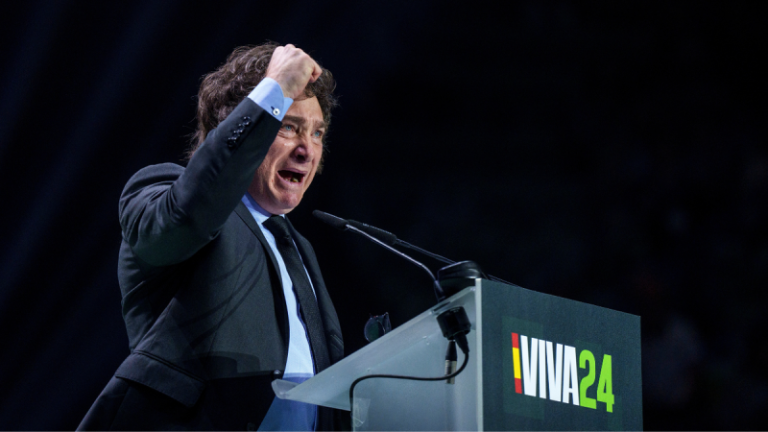
This post appeared first on investingnews.com

The third quarter was a pivotal period for both the biotech and pharmaceutical sectors, with regulatory developments and an increase in business deals shaping the landscape for the industries.

Public biotech indexes rallied above critical levels last seen in 2021, with the NASDAQ Biotech Index (INDEXNASDAQ:NBI) closing 21 points ahead for the quarter and up 11 percent year-to-date.

Emerging artificial intelligence (AI) applications are becoming increasingly critical in drug discovery and R&D, highlighted by products like AlphaFold and new draft guidance from the US Food and Drug Administration (FDA) that encourages AI use in regulatory submissions. However, cautious funding approaches remain, especially for early stage companies.

This confluence may signal a sector resurgence, despite continued funding caution for early stage firms.

Biopharma M&A activity picks up

In a Q3 report on M&A activity, Oppenheimer notes that biopharma market sentiment showed an upward trajectory during the quarter, with expectations that deal flow will continue to increase through the end of 2025.

William Blair, a global investment banking and asset management firm specializing in biopharma investments, also notes an uptick in momentum in a recap of Q2 activity in the biopharma space, citing positive clinical data, a wave of public M&A activity and more clarity on tariffs and drug pricing as catalysts.

Total M&A transaction value reached US$38 billion for the quarter, according to data analyzed by Oppenheimer, including US$20 billion in September alone. Clinical-stage acquisitions saw their strongest quarter since late 2023, driven by early stage assets in the oncology, immunology and cardiovascular-metabolic areas.

The central nervous system space saw a pause in deals for the first time since the beginning of 2024, reflecting shifting investment priorities. Small molecules and antibodies maintained their leading positions as prevalent treatment modalities in deals, while emergents like bispecific antibodies, multi-specific antibody-drug conjugates and CAR-T therapies gained traction. However, the overall M&A market for antibody-drug conjugates remained cautious, with the exception of Seribant Therapeutics’ acquisition of Y-mAbs Therapeutics for US$412 million.

Public company takeouts continued to outnumber private company acquisitions for the second consecutive quarter; however, private companies still attracted strong interest from investors after a sluggish first half of 2025.

Oppenheimer’s Private Placement Activity report notes that a significant increase was observed in September, with companies with a clinical pipeline and a platform commanding the highest valuations.

Strategic partnerships between established pharmaceutical leaders and innovative biotech firms continued to underscore the ongoing efforts by pharma leaders to build and diversify their pipelines.

Roche Holding (OTCQX:RHHBY,SWX:ROG) and Zealand Pharma (OTC Pink:ZLDPY,CPH:ZEAL) entered into an agreement to co-develop and co-commercialize weight-loss drug candidate petrelintide in a deal valued at up to US$5.3 billion, reflecting ongoing interest in weight-management therapies, despite market challenges and competitive pressure.

Meanwhile, Bristol-Myers Squibb (NYSE:BMY) and BioNTech (NASDAQ:BNTX) agreed to co-develop and co-commercialize a novel cancer immunotherapy targeting multiple tumor types in a deal worth up to US$11 billion, and Pfizer (NYSE:PFE) partnered with 3SBio (OTC Pink:TRSBF,HKEX:1530) to advance a new cancer drug candidate.

Both agreements highlight ongoing efforts to expand oncology treatment options.

Cell and gene therapies continued to draw investor attention, and the central nervous system space saw an increase in average deal size. William Blair notes that cell and gene therapies remain a priority area for venture capital investors, as well as public market investors, despite regulatory complexities.

Initial public offering (IPO) activity rebounded meaningfully in Q3 after a quieter first half of 2025, with LB Pharmaceuticals’ (NASDAQ:LBRX) September offering serving as a marker of renewed capital markets appetite.

Secondary public offerings and clinical-stage private financings also increased, fueled by promising clinical data and expanding investor participation, including from international markets such as China.

In parallel, funding for AI-driven drug discovery platforms continued to capture investor interest, with rounds for companies like Isomorphic Labs, Pathos and Lila Sciences.

Regulatory and policy developments

US President Donald Trump’s second term has brought a shift to more business-friendly stances, impacting healthcare M&A and trade. The Federal Trade Commission has signaled intentions to ease antitrust scrutiny, potentially speeding up big pharma and biotech dealmaking and encouraging higher transaction volumes that consolidate the sector.

A central policy focus is the onshoring of biopharmaceutical manufacturing, with the administration actively pursuing tariff negotiations to reduce import costs and bolster supply chain resilience. The landmark deal between the government and Pfizer to lower drug prices in Medicaid in exchange for tariff relief exemplifies this dual approach.

These tariff adjustments are designed to ease the burden on drug importation costs, incentivizing companies to invest more domestically while managing global supply chain risks. Lara Castleton, US head of portfolio construction and strategy at Janus Henderson Investors, has identified this agreement as “the catalyst for healthcare.” She further suggests that the sector is likely overdue for a comeback, having lagged behind the tech market earlier in the year.

Trump has emphasized the expectation that other pharma companies will follow suit, intensifying onshoring efforts. As of September 30, large pharma had committed roughly US$368 billion to US-based manufacturing facilities.

Additionally, the FDA approved 45 new drug applications in Q3, marking a notable increase from previous quarters. This surge was driven by accelerated approvals, largely in the gene and cell therapy sectors, as well as innovative biologics targeting rare diseases and oncology.

Biotech and pharma market forecast for 2025

The biotech and pharma sectors entered Q4 on firm footing. Supportive market dynamics are expected to persist as the year continues, with 2025 on track to reach US$93 billion in total transaction value.

Several catalysts are poised to shape the healthcare landscape moving forward.

An anticipated IPO from MapLight Therapeutics, focusing on neurology therapies, will reveal investor appetite for specialty pharma assets in a market that had a bullish close to Q3, but faces questions about sustaining momentum.

On the regulatory front, FDA decisions are expected for a handful of treatments in gene and cell therapy, as well as oncology. Approvals are expected to accelerate, bolstered by programs aimed at speeding up evaluations of novel treatments like CRISPR-based medicines, stem cell research and nutraceuticals.

Leadership changes may also foster innovation in unconventional medical fields such as stem cell research and nutraceuticals. Amid an evolving regulatory and political landscape, Reed Jobs has advocated for sustained public funding to fuel biomedical progress, delivering a key congressional address on National Institutes of Health protection in September. Beyond advocacy, he is also building a nearly US$1 billion biotech fund focused on next-generation cancer therapies, highlighting the vital intersection of public research funding and private sector innovation.

Policy clarity around drug pricing reforms and Medicaid tariff relief will critically influence commercial access and pricing dynamics. The GLP-1 sector remains under the spotlight following the announcement of Trump’s plans to reduce the monthly cost of GLP-1 drugs like Ozempic and Wegovy to US$150.

AI’s expanding role in drug discovery, clinical trial design and digital therapeutics will continue to inspire industry innovation, likely attracting significant funding and fostering new collaborations.

However, volatility related to regulatory appointments, trade uncertainties and notably the ongoing US federal government shutdown presents near-term challenges. Investors and industry participants will closely monitor clinical data and regulatory shifts to navigate the evolving landscape successfully.

Securities Disclosure: I, Meagen Seatter, hold no direct investment interest in any company mentioned in this article.
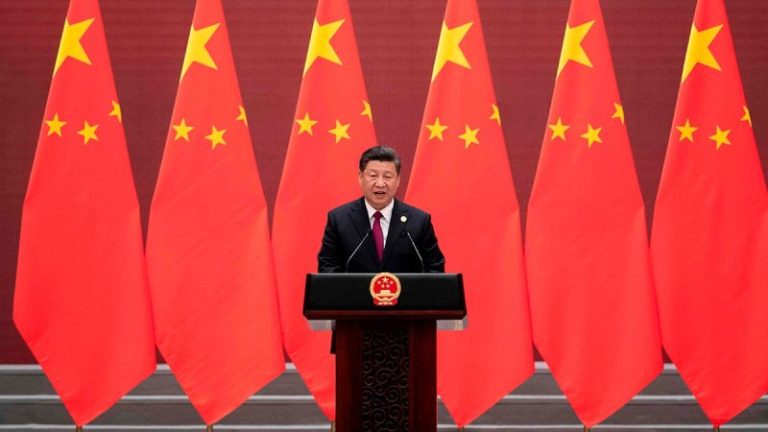
This post appeared first on investingnews.com

Investor Insight

Cartier Resources presents a compelling gold investment opportunity, driven by a growing Abitibi resource, solid institutional support, and upcoming development milestones.

Overview

Cartier Resources (TSXV:ECR,FSE:6CA) is a Quebec-based gold exploration company advancing a compelling growth story anchored in one of Canada’s most prolific gold regions — the Abitibi Greenstone Belt. With a focused strategy, institutional support and a commitment to innovation, Cartier is building a significant gold resource base while positioning its flagship Cadillac project as an emerging mining camp east of Val-d’Or. As the company transitions from explorer to potential developer, the coming months present multiple catalysts for a significant valuation uplift.

Cartier projects in the Abitibi Greenstone Belt in Quebec

The Cadillac project has evolved from a single mine project into an emerging gold camp with multiple deposits, advanced resource modeling, and a clear development path. Located in a mining-friendly jurisdiction with existing infrastructure, the Cadillac project is ideally positioned to attract development partners, strategic investments, or acquisition interest from senior producers.

In 2023, using a gold price of US$1,750, Cartier completed a preliminary economic assessment (PEA) which confirmed the project’s robust economics, with a production forecast of 116,900 oz/year over 9.7 years and a low AISC of US$755/oz.

With permitting pathways de-risked by historical mining activity and extensive drilling already completed, Cartier has launched a fully funded 100,000-metre diamond drilling program. By combining AI and geostatistical reinterpretation techniques with traditional exploration methods, the company is positioning itself at the forefront of modern mineral discovery.

The Cadillac project has all the hallmarks of a high-potential development-stage gold asset: grade, scale, jurisdiction, infrastructure, and strategic backing. Cartier is also actively pursuing parallel value-creation opportunities, including the reprocessing of legacy tailings at the Chimo site and monetization of non-core assets like Wilson, Fenton and Benoist.

Company Highlights

  • District-Scale Gold Project: Cadillac: Cartier’s core asset consolidates the former Chimo Mine and East Cadillac properties into a district-scale land package on the prolific Larder Lake-Cadillac Fault — host to more than 100 million ounces of historic gold production.
  • Aggressive Exploration Program: In 2025, Cartier launched a 100,000-meter drill program — one of the largest in the region — to expand its substantial gold resources and unlock Cadillac’s camp-scale potential.
  • Innovation in Discovery: The company is leveraging AI-assisted mineral discovery tools, in partnership with VRIFY, to sharpen drill targeting and accelerate new discoveries.
  • Strategic Partnership with Agnico Eagle: Agnico Eagle, Cartier’s largest shareholder with a 28 percent equity stake, provides financial strength and validates the company’s assets and strategy.
  • ESG-Friendly Tailings Reprocessing: Cartier has introduced a low-capex initiative to evaluate reprocessing 600,000 tons of historic tailings, representing a potential near-term revenue stream with ESG benefits.
  • Attractive Valuation With a clean share structure and a market cap of C$52.9 million, Cartier offers significant re-rating potential as exploration and development catalysts unfold.

Key Projects

Cadillac Project

The company’s flagship Cadillac project is a consolidated land package totaling 11,525 hectares, located along a 15-kilometre strike of the Larder Lake–Cadillac Fault (LLCF) — one of the most productive gold-bearing structures in Canada. This fault zone has historically produced over 100 million ounces of gold across multiple camps. Cartier’s land package includes the past-producing Chimo Mine (379,012 oz gold from 1964 to 1997), West Nordeau, and several new discovery zones over a 10-km strike length straddling the LLCF.

Cartier has completed four mineral resource estimates (MREs) between 2019 and 2022. The most recent, published in May 2023, outlined 7.1 million tons (Mt) @ 3.1 grams per ton (g/t) gold (720,000 oz) indicated and 18.5 Mt @ 2.8 g/t gold (1.63 Moz) inferred. The PEA evaluated an underground mining operation fed from three primary zones (Chimo, East Chimo, West Nordeau), with a 2.9-year payback on a C$341 million capex. The PEA assumes an average head grade of 3.0 g/t gold and annual production of 116,900 oz gold. Infrastructure advantages include an existing shaft, power line and permitted tailings facility.

Cartier Resources has commenced its fully funded 100,000-metre drill program at the Cadillac Project in Quebec, the largest ever on the property. The 18-month campaign is designed to both expand known gold zones and test new high-priority targets along the Cadillac Fault Zone. With $11 million in cash and no debt, Cartier is well positioned to advance Cadillac’s district-scale gold potential.

Chimo Tailings Project

As part of Cartier’s sustainability-focused development strategy, the company is evaluating the potential for reprocessing approximately 600,000 tons of historical tailings deposited during the Chimo Mine operations. This project could unlock near-term, low-cost production with a minimal environmental footprint. Cartier will launch metallurgical characterization to assess gold recovery potential and economic viability. The project benefits from proximity to several underutilized gold mills in the Val-d’Or region, potentially enabling toll milling agreements.

Other Projects: Wilson, Fenton and Benoist

Cartier also holds 100 percent ownership of three additional gold projects — Wilson, Fenton and Benoist — all located within the Abitibi Belt and each hosting historical gold mineralization or compliant resources. The Wilson Project (1,750 ha, three zones), Fenton (671 ha, 12 zones) and Benoist (3,086 ha, two zones) are currently available for joint ventures or sale. These assets offer significant exploration upside and optionality, allowing Cartier to remain focused on Cadillac while preserving long-term value.

Management Team

Philippe Cloutier – Founder, President, CEO and Director

Philippe Cloutier is the founder and driving force behind Cartier Resources. A professional geologist with over 35 years of experience in the exploration and development of precious and base metal deposits, Cloutier has a deep technical understanding of the Abitibi Greenstone Belt, having spent most of his career advancing projects in this prolific region.

Nancy Lacoursière – Chief Financial Officer

Nancy Lacoursière brings over 20 years of experience in corporate finance, accounting and strategic financial management. She has held CFO and senior finance positions across the natural resources and manufacturing sectors, with a strong focus on Quebec-based operations.

Ronan Déroff – VP of Exploration

Ronan Déroff is a senior exploration geologist and Cartier’s designated qualified person under NI 43-101. With over 15 years of experience in mineral exploration, resource modeling, GIS and project management, Déroff leads the technical execution of Cartier’s exploration strategy. He has overseen the development of multiple MREs and PEAs for the Cadillac project, and played a central role in integrating modern data analysis and AI-assisted targeting into the company’s workflow. He holds a Masters in operations and management of mineral resources (EGERM), from the Université d’Orléans (France).

This post appeared first on investingnews.com